

Introduction
Financial crime compliance is often positioned as a shield. The tighter the controls, the safer the institution. But in reality, extreme caution in compliance can create risks that are just as damaging as the ones we are trying to prevent.
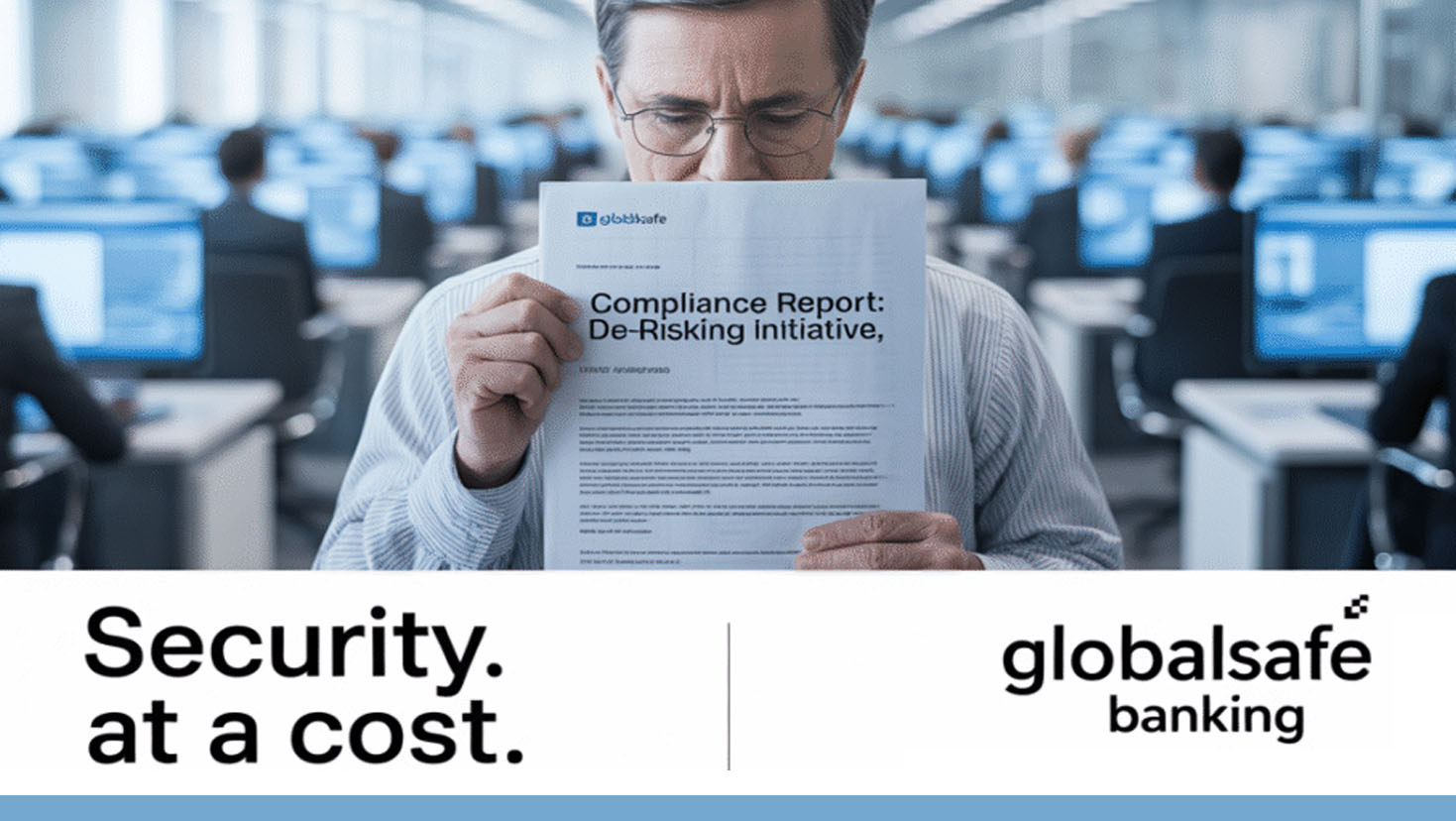
Across global banking, the practice of “de-risking”—exiting or denying whole categories of customers—has emerged as one of the most pressing unintended consequences of modern KYC and AML regimes. This blog explores why risk aversion itself can become a liability, and how smarter compliance strategies can create resilience without exclusion.
The De-risking Dilemma
In 2015, several international banks abruptly cut off ties with money transfer companies serving fragile economies in Africa and the Caribbean. Their reasoning? Compliance costs and regulatory penalties made these relationships “too risky.” Yet the fallout was severe: millions of people lost access to affordable remittance channels, pushing them toward informal, unregulated methods.
Ironically, by trying to “reduce” risk, these banks increased systemic exposure to financial crime. Informal channels are harder to monitor, easier to exploit, and leave regulators blind.
This isn’t an isolated example. Charities operating in conflict zones, small fintechs, even entire regions deemed “high-risk” by FATF lists face exclusion. What starts as a protective move by one bank cascades into financial exclusion, creating new dark corners where illicit activity thrives.
Why Over-Caution Breeds Risk
Risk aversion feels safe. But it hides several blind spots:
1. Concentration Risk – Cutting off whole segments doesn’t remove their activity; it pushes it elsewhere. Institutions that still serve them may become single points of failure.
2. Regulatory Scrutiny – Regulators are now calling out banks for over-de-risking, reminding them that FATF standards demand risk management, not avoidance.
3. Reputational Fallout – Exiting vulnerable groups (e.g., NGOs) can trigger accusations of neglecting social responsibility. In today’s ESG-conscious world, that reputational risk matters.
Towards Intelligent Risk Management
The future of compliance lies in balance, not binary choices. Instead of “serve or exit,” institutions must build frameworks that allow them to manage higher-risk categories responsibly.
Some approaches include:
• Dynamic Risk Scoring: Moving away from static “high/low” labels towards continuous risk models that adjust with new information.
• RegTech Partnerships: Leveraging advanced monitoring, adverse media checks, and AI to detect emerging risks without overwhelming teams.
• Regulator Collaboration: Proactively engaging supervisors to develop safe pathways for “higher-risk but essential” customer groups.
• Proportional Due Diligence: Applying enhanced checks where they matter most, while simplifying for low-risk segments to conserve resources.
Conclusion
Compliance should never mean closing doors; it should mean building safer ones. When risk aversion becomes a reflex, it creates blind spots that criminals exploit. The strongest institutions of tomorrow will be those that master the art of intelligent inclusion—balancing regulatory rigor with financial accessibility.
Takeaway for leaders: The goal isn’t zero risk—it’s resilient, well-managed risk.